


Emails are a cornerstone for a financial advisory firm's marketing success, but updating and maintaining contact lists often get put in the "do later" pile. In this episode of Craft on Tap, Stephen Beach and Faustin Weber explain why list segmentation is arguably more important than a catchy subject line or even what's inside the email.
👇 Watch the full discussion below:
Co-Founder Stephen Beach & Strategist Faustin Weber discuss list segmentation for email marketing.
Craft on Tap Ep 31 Podcast Takeaways & Summary
Key Takeaways:
- Segmentation is the Foundation: Minor tweaks to how you organize contacts lead to significantly better results than changing your subject lines or send frequency.
- The Client vs. Prospect Divide: Most firms fail to differentiate between these two groups, but it is the most critical split for personalized messaging.
- Personas Prevent Brand Damage: Sending irrelevant content (such as exit planning tips to a young professional) creates a sour taste and leads to quick deletes.
- Integration is a Choice: Automated, bi-directional syncing between a CRM and email tool is ideal, but manual exports are a functional starting point for firms on a budget.
- Data Hygiene is a Business Operation: Maintaining a clean list is as important to firm operations as it is to marketing.
Podcast Summary: Contact Segmentation (Tedious but Required)
The Messy Reality of Financial Advisory Firm Contact Lists
Most advisory firms begin with a disorganized list exported from a CRM. These lists often mix current clients with prospects, former clients, vendors, and personal acquaintances. While data upkeep is difficult, especially when changing platforms or target audiences, it is the necessary starting point for any firm wanting better marketing engagement.
The First Step: Defining Contact Types
Effective email marketing requires separating contacts into distinct buckets: clients, prospects, centers of influence (COIs), vendors, and internal team members. This allows a firm to tailor the opening lines and core content to the specific relationship. Messaging that tries to reach everyone at once usually fails to resonate with anyone. Including your internal team in these mailings is also a vital step to ensure advisors know exactly what information is reaching their clients.
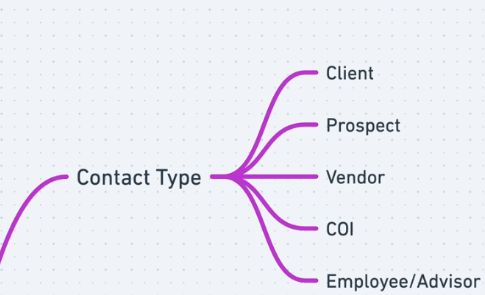
Example contact list segmentation from Ep 31 of Craft on Tap.
Marketing Personas: Moving Beyond Generic Content
Sophisticated firms use personas to narrow their focus even further. Categorizing contacts by profession (tech professionals, attorneys, or executives) or background (military veterans) makes content selection nearly automatic. For example, a campaign centered on exit planning is highly effective for business owners but annoying for employees who do not own a company. These niche tags allow for specialized referral campaigns and more proactive marketing decisions.
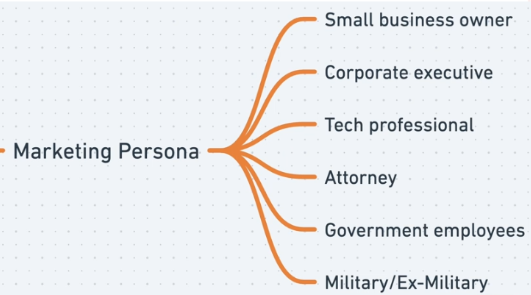
Example Marketing Personas from Ep 31 Craft on Tap.
Life Stage and Retirement Timing
Segmenting by age and retirement status allows for highly personal communication around specific milestones. Content regarding Medicare at age 65 or Social Security timing is incredibly valuable to a pre-retiree but irrelevant to someone who has already been retired for fifteen years. While birth dates can be difficult to sync between different systems, capturing this data allows a firm to provide a superior client experience.
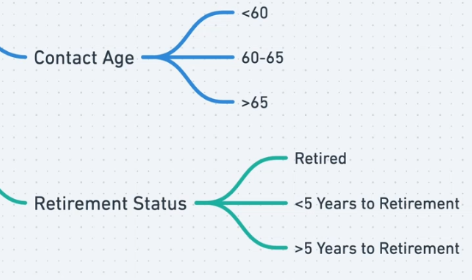
Example contact list segmentation by age and retirement status from Ep 31 Craft on Tap.
Navigating the Tech Stack
A seamless segmentation strategy often depends on how well a CRM (like Salesforce, Tamarac, or Orion) talks to an email platform (like HubSpot or MailChimp). While bi-directional syncing allows advisors to tag a contact in the CRM and have them automatically receive relevant content, it often requires custom integration work. Firms can choose between this automated path or a manual process involving regular list exports and uploads. Both methods are effective as long as there is a clear process for the team to follow.
Shameless Plug for Craft on Tap
Build a long-term AI search strategy by investing in those fundamentals first, then you can incorporate tactics like persona pages, localized content, and press releases to create additional citation surface area over time. This conversation is only a starting point. For ongoing insights and practical marketing strategies for RIA growth, listen to Craft on Tap. Available now, wherever you find your podcasts.
Ready to chat? Get in Touch
Listen to Craft on Tap, Growth Marketing for RIAs: